
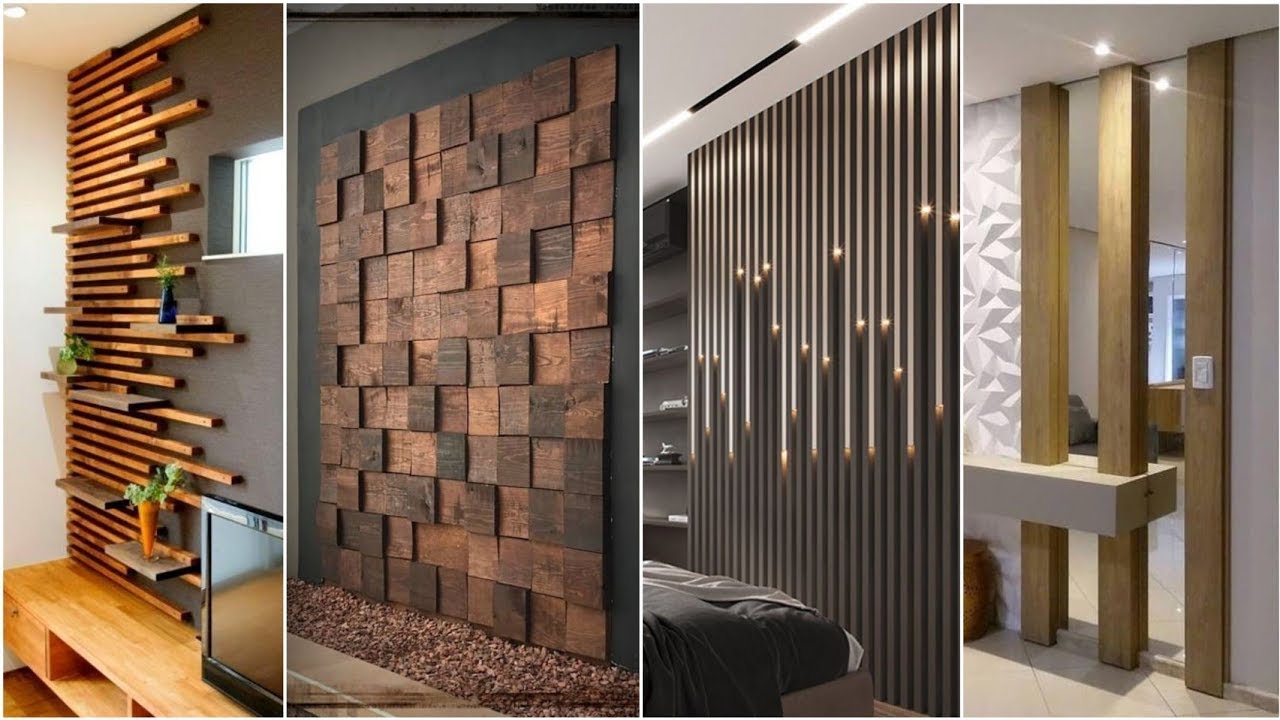
In contemporary home renovations, interior wood wall paneling has evolved beyond a simple aesthetic element. It is now acknowledged as a useful, long-lasting, and valuable component that has a direct effect on long-term maintenance expenses as well as resale value. Wood paneling offers structural strength, insulation advantages, and a high-end finish that purchasers and renters are ready to spend more for than paint or wallpaper.
When it comes to property renovations, investors and homeowners seek upgrades that increase property value without breaking the bank. One of such improvements is wood wall paneling inside.
After a refurbishment project, this can result in increased rental rates or quicker sales for investors.
Sustainability is now required in property renovation, not merely a fad. The eco-friendly elements that lower environmental impact while offering long-term value are actively sought after by today’s renters and buyers. This need is met by wood wall paneling, which combines duty with beauty.
Unlike vinyl or plastic alternatives, interior wood wall paneling is sourced from responsibly managed forests, making it a renewable material. This not only supports sustainable forestry but also ensures your renovation leaves behind a smaller environmental footprint.
Compared to steel, cement, or synthetic finishes, wood panels use a lot less energy to produce. Wood is an environmentally friendly choice for both large-scale and small-scale projects because of its lower energy consumption, which also lowers the carbon footprint of home improvements.
Owners of real estate can also choose to employ engineered or repurposed wood. Reclaimed wood reduces waste and landfill contributions by giving previously used materials a second chance at life. Conversely, engineered panels offer a variety of design treatments and combine sustainability and durability. Both choices enhance a renovation’s personality by incorporating distinctive modern or rustic appeal.
During property renovation, owners can make sure their investments meet contemporary green construction regulations by using inside wood wall paneling. Since environmentally friendly residences and businesses are becoming more and more valued in today’s real estate market, this not only satisfies buyer expectations but also increases market appeal.
Selecting the right paneling is critical to the success of a property renovation. Here are targeted tips for different property needs:
Making the right choice ensures your renovation delivers both style and function without overspending.
The versatility of wood wall paneling makes it suitable for multiple renovation scenarios. Some effective applications include:
This flexibility means you can use wood paneling strategically across your property renovation to maximize both visual appeal and durability.
Adding inside wood wall paneling to a property renovation project is a wise financial decision as much as a style choice. It meets customer demands for sustainability, lowers long-term maintenance, and raises market value.
Wood paneling produces long-lasting effects, in contrast to temporary solutions like paint or wallpaper. It is among the most sensible improvements to think about for homeowners and renovators hoping to increase the value of their homes and give them a more contemporary look.