

Imagine investing months of planning and millions in resources, only to discover that critical errors went unnoticed until it was too late. Floors misaligned, wiring faulty, or foundations compromised. Issues that not only cost money but can damage reputations. This is where construction inspections prove their value, forming the backbone of trustworthy construction services.
Construction inspections are not just about checking boxes on a form. Building trust, guaranteeing safety, and producing long-lasting projects are their main goals. Let’s examine how inspections work as a subtle but effective component of every successful project and why they are necessary for reliable construction services.
Construction projects are complex ecosystems. Dozens of trades, suppliers, and contractors work together, each contributing a piece of the puzzle. Without a consistent monitoring system, errors can slip through unnoticed.
Construction inspections create accountability. In order to meet the client’s expectations, they confirm adherence to designs, specifications, and codes. More significantly, early risk identification through inspections enables contractors to avoid expensive disagreements that could lower the caliber of construction services.
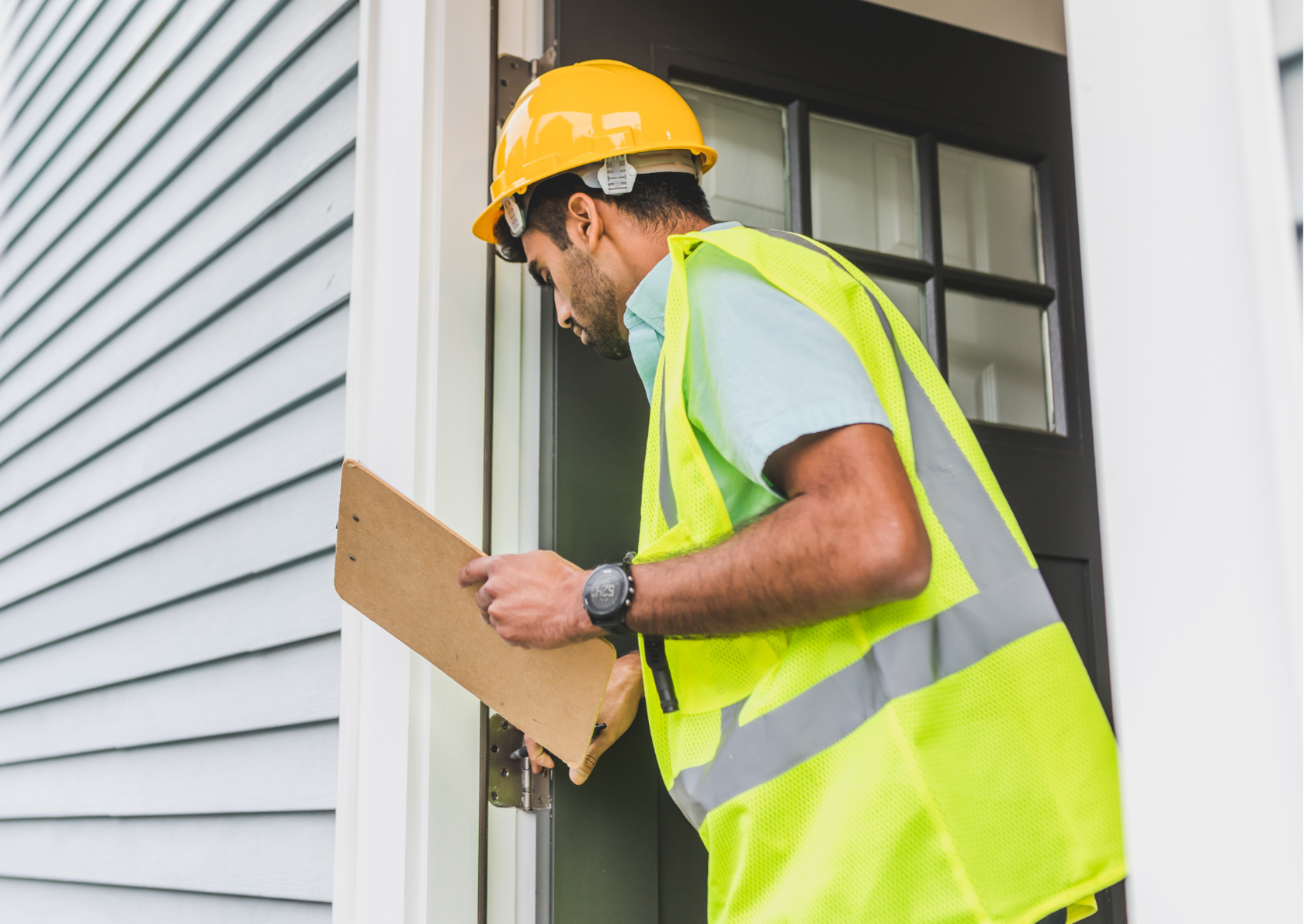
Just like a building rests on strong foundations, construction inspections rely on certain core principles. These include:
The scope of the project should be closely related to each inspection. From excavation to completion, inspectors verify that all work is carried out in compliance with predetermined plans. This strengthens the provision of construction services, avoids scope creep, and guarantees that the finished product reflects the client’s vision.
Construction inspections serve as financial health assessments. They attest that the materials acquired fulfill quality standards and that on-site utilization fits within financial constraints.
Inspections safeguard the reputation of construction services by identifying inefficiencies early on, preventing overruns for both clients and contractors.
In the construction industry, time equals money. Regular construction inspections check to see if the work is moving forward as planned. When delays are identified, they can be fixed before they cause significant problems.
Not all construction inspections serve the same purpose. Depending on the stage of the project, different inspections come into play. Here are the most common categories:
These are carried out to keep an eye on current projects. Every milestone, from putting roofs to laying foundations, is checked by inspectors to make sure it complies with requirements.
Progress inspections provide constant construction services and serve as a reality check for project managers.
Workmanship is the main focus here. Are walls plumb? Do materials undergo strength testing? Construction standards are never compromised thanks to quality inspections. A lot of businesses produce monthly reports outlining their findings, which promotes trustworthy construction services and preserves transparency.
The construction industry is inherently risky. Safety inspections make sure protective gear is used, scaffolding is stable, and emergency exits are accessible. Beyond compliance, they safeguard the lives of those on-site and reinforce the value of professional construction services.
Every project needs to adhere to local construction codes and standards. Inspectors make sure that fire safety, accessibility, and structural standards are followed. These approvals are necessary for projects to proceed lawfully, therefore compliance inspections are a crucial component of trustworthy construction services.
Sometimes, specific assessments are required for projects, such sustainability certifications, fire system inspections, or environmental checks. These specialist construction inspections raise the bar for construction services to satisfy contemporary client demands.
To get the most out of construction inspections, contractors and project managers should follow a structured process:
By following these guidelines, construction inspections become a proactive tool rather than a reactive measure, enhancing overall construction services.
The real value of construction inspections lies in the bigger picture. They don’t just protect one project; they elevate the standard of construction services as a whole.
Construction inspections quietly demonstrate their value when a structure is still sturdy, secure, and operational years after a project is finished. They are the cornerstone of trustworthy building services and the unseen thread that runs from the first plans to the finished product.
Ignoring inspections could save time now, but it could have expensive repercussions later. Businesses turn projects from “just completed” to “built to last” by integrating regular construction inspections into each delivery phase.
Reliability is the goal of construction, not just building structures. Furthermore, without construction inspections, dependability is unattainable. Inspections serve as the foundation of trustworthy construction services, guaranteeing that projects are completed to the highest standards of quality and safety, on schedule, and within budget.
Stated differently, construction inspections are an investment rather than a burden. An investment that yields greater customer relationships, less risks, and projects that are proudly displayed for decades.