

Why Commercial Construction Is the Future of Modern Building Construction Success

Although a sturdy structure is necessary for construction, success is really determined by the inside finishing. This step turns blank walls and frameworks into areas that are practical, cozy, and aesthetically pleasing. Interior finishing, which directly affects usability, client satisfaction, and overall property value, is the intersection of design and functionality within general contracting services.

It is the stage where accuracy, originality, and livability are all combined. High-quality finishing distinguishes a project in competitive marketplaces and showcases the builders’ craftsmanship. It also improves the property’s appearance and feel while guaranteeing long-term durability. In the end, interior finishing is what transforms construction into functional, meaningful areas.

Why Interior Finishing Defines the Success of General Contracting Services

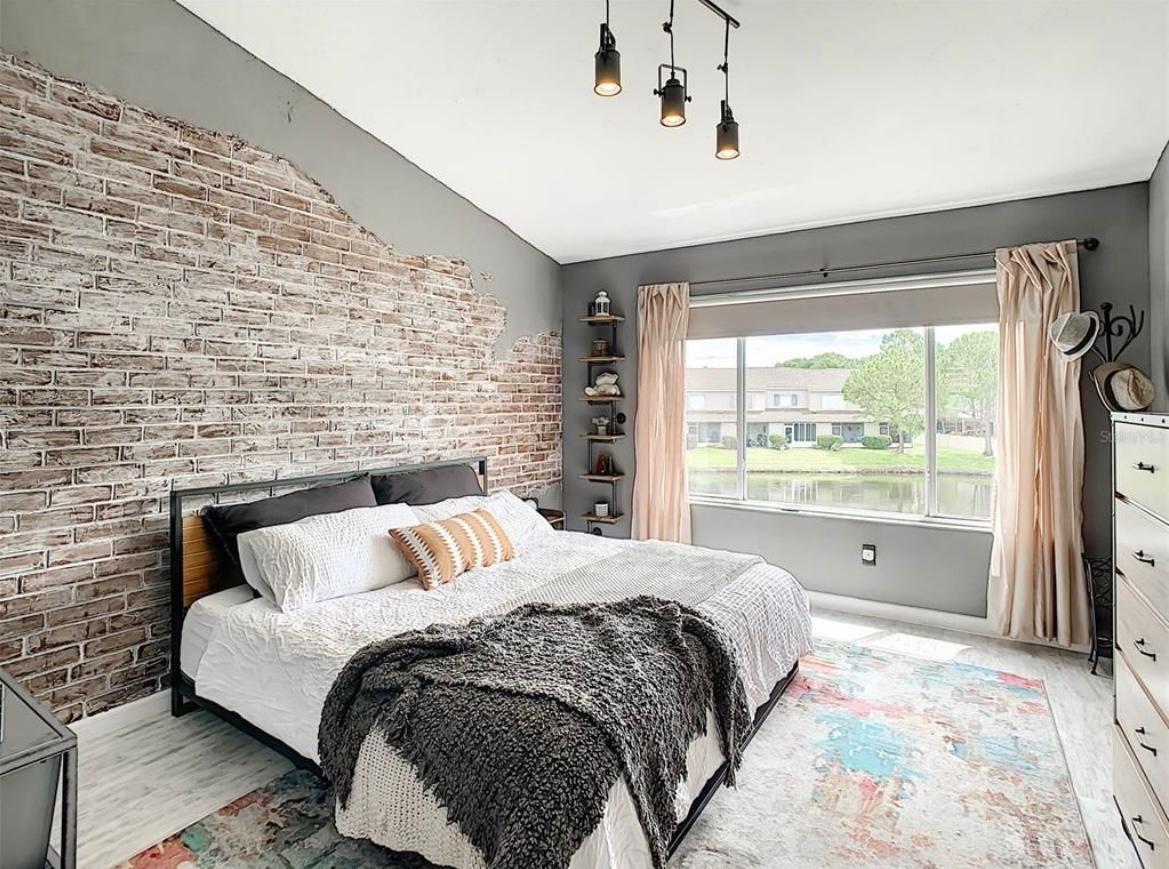
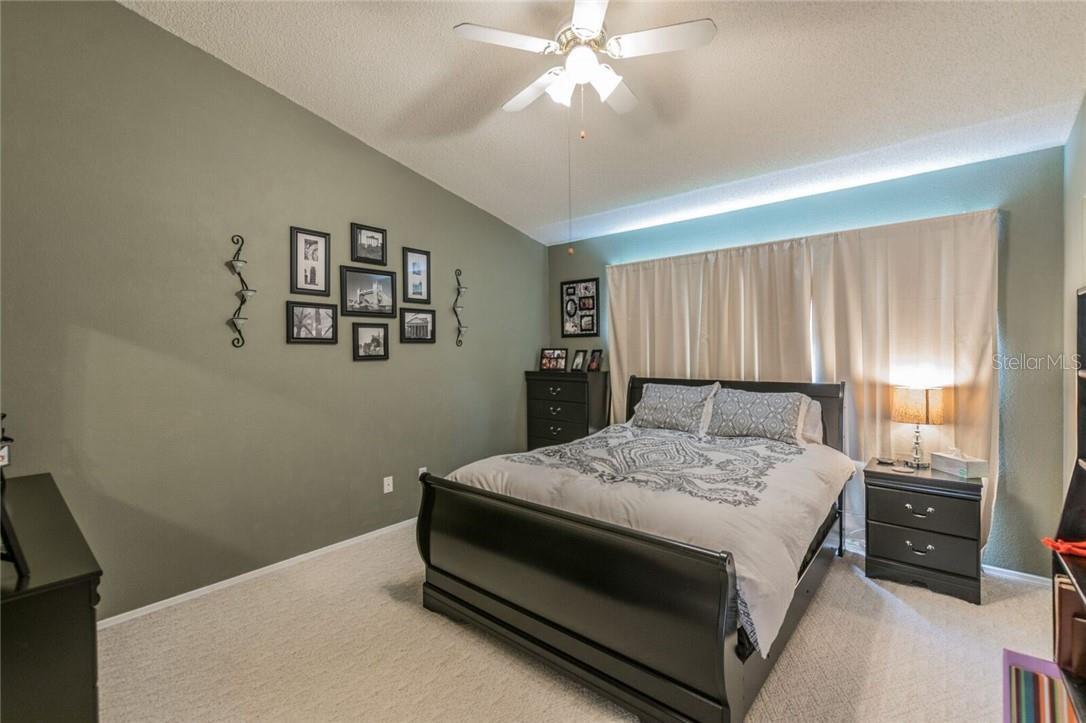
The speed at which a building project is finished or the strength of its framework are not the only factors that influence its success. The finishing touches that residents, tenants, or clients will see on a daily basis are where true success is found. The contractor’s ability to combine design and utility is evident in the interior finishing, which includes polished floors, smooth walls, and well- placed fixtures and lighting systems. High-quality finishing sets ordinary contracting apart from premium general contracting services in competitive markets, eventually influencing client satisfaction and long-term property value.

What Interior Finishing Includes in Construction Projects

Interior finishing is a complete set of general contracting services rather than a single activity. Usually, it includes:

  • Wall Treatments: textured finishes, painting, plastering, and wallpaper.
  • Flooring options include vinyl, tile, marble, and engineered wood.
  • Ceiling Work: Acoustic treatments, gypsum boards, or false ceilings.
  • Joinery and carpentry: windows, doors, cabinets, and built-in shelving.
  • Fixtures & Fittings: Lighting systems, handles, faucets, and hardware.
  • Decorative Enhancements: Aesthetic detail work, moldings, and trims.

Every component ensures that the area is finished and used by fulfilling both functional and aesthetic purposes. When combined, these finishing touches produce a space that increases utility, comfort, and the property’s overall appeal.

Additionally, it’s critical to remember that interior finishing calls for cooperation between several trades, including designers, carpenters, electricians, and painters. The last stage may

result in delays or irregularities if it is not properly planned for and supervised. For this reason, expert general contracting services prioritize meticulous plans, premium supplies, and knowledgeable workers to produce faultless outcomes.

Key Materials and Techniques Used in Interior Finishing

The materials and methods used have a significant impact on how well interior finishing works. Among the most popular are:

  • Gypsum Boards for Ceilings: These are lightweight, fireproof, and adaptable to a variety of contemporary ceiling styles.
  • Engineered wood flooring: long-lasting, environmentally friendly, and aesthetically pleasing with a natural sheen.
  • Water-Resistant Paints: These paints are durable and moisture-resistant, particularly in bathrooms and kitchens.
  • Smooth Plastering Techniques: These methods produce immaculate, smooth surfaces for wallpaper or paint.
  • Installations of Energy-Efficient Lighting: LED and smart lighting options for sustainability and affordability.
  • Sustainable Material Selection: To promote green construction trends, use locally produced stone, repurposed wood, or eco-friendly paints.
  • Advanced Tools & Equipment: Modern application techniques increase speed and quality, while precision tools guarantee accuracy.

Combining high-quality materials with skilled procedures in professional general contracting services guarantees long-lasting outcomes that satisfy both practical requirements and contemporary design preferences.

How Quality Interior Finishing in Contracting Services Boosts Property Value

The value of a property is frequently determined by first impressions. Tenants and buyers evaluate comfort, luxury, and use in addition to structural soundness. In addition to improving appearance, superior interior finishing prepares a home for the market. High-end flooring, sophisticated ceilings, or immaculate paintwork are examples of features that enhance the impression of quality.

By improving resale and rental value through greater finishing standards, collaborating with experienced general contracting services guarantees higher returns on investment for both developers and homeowners. In the current real estate market, homes with superior finishing draw in more purchasers, fetch higher prices, and provide occupiers with long-term contentment.

Furthermore, high-quality finishing lessens the need for regular maintenance and improvements. In addition to saving the owner money, this improves the contractor’s reputation. A room that seems finished, cozy, and contemporary provides the home a competitive edge and demonstrates the contractor’s dedication to quality.

The Step-by-Step Process of Interior Finishing

Delivering high-quality interior finishing requires a structured approach. Within General Contracting Services, the process typically involves:

  1. Surface Preparation: To guarantee a seamless application of finishes, walls, ceilings, and floors are leveled, cleaned, and primed. This phase is essential for longevity and averting problems later on, such as cracks or uneven textures.
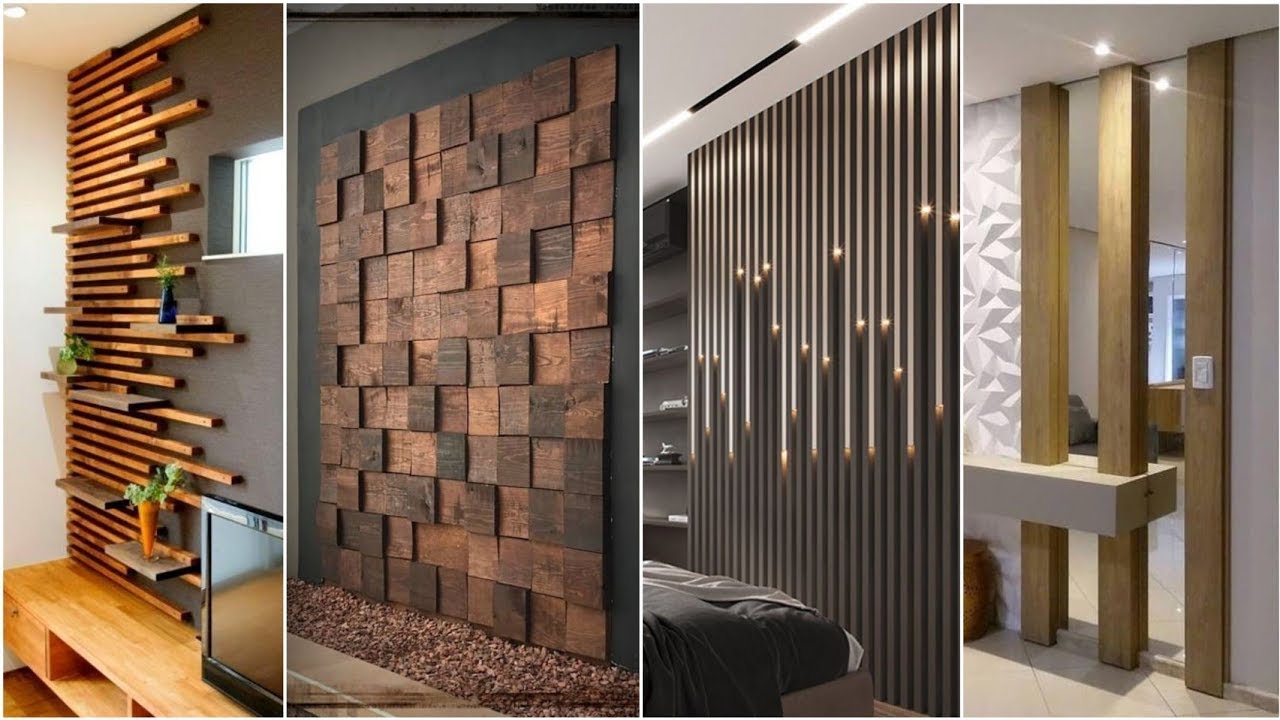
  1. Installation Work: Essential installations, such as ceilings, partitions, wooden panels, and flooring tiles, are completed. Accurate design, alignment, and structural stability are guaranteed by precision in this process.
  1. Detailing: Painting, plastering, wallpapering, and decorative finishes are used to improve the home. Here, the craftsmanship really shines through, producing the ideal visual appeal.
  1. Fixture & Fitting Location: Hardware, cabinetry, lighting, and bathroom fixtures are put in place. The area is both practical and fashionable thanks to careful consideration of alignment, safety, and design coordination.
  1. Final Inspection & Touch-Ups: Each component is examined for compliance with quality requirements. To ensure that the interior finishing satisfies client expectations and professional standards, any flaws are fixed.

This systematic process ensures consistency, efficiency, and the delivery of spaces that balance comfort, design, and durability.

How Quality Interior Finishing in Contracting Services Boosts Property Value

The value of a property is frequently determined by first impressions. Tenants and buyers evaluate comfort, luxury, and use in addition to structural soundness. In addition to improving appearance, superior interior finishing prepares a home for the market. High-end flooring, sophisticated ceilings, or immaculate paintwork are examples of features that enhance the impression of quality.

By improving resale and rental value through greater finishing standards, collaborating with experienced general contracting services guarantees higher returns on investment for both developers and homeowners. In the current real estate market, homes with superior finishing draw in more purchasers, fetch higher prices, and provide occupiers with long-term contentment.

Furthermore, high-quality finishing lessens the need for regular maintenance and improvements. In addition to saving the owner money, this improves the contractor’s reputation. A room that seems finished, cozy, and contemporary provides the home a competitive edge and demonstrates the contractor’s dedication to quality.

interior wood wall paneling

Conclusion

The construction industry is at the cusp of a technological revolution. Embracing these trends not only enhances efficiency and sustainability but also opens up new possibilities for innovation. Whether you’re planning a project or exploring career opportunities in construction, understanding these trends will keep you ahead of the curve.

Why Commercial Construction Is the Future of Modern Building Construction Success

commercial construction

The building sector is the backbone of contemporary society, driving infrastructure, urbanization, and economic growth. Building construction encompasses many kinds of structures, from residences to medical facilities, but commercial construction has become the primary force behind innovation and worldwide expansion. With its focus on large-scale initiatives, smart design, and sustainability, it is defining success in the contemporary era.

Building Construction as the Foundation of Modern Development

Every project falls under the category of building construction, which provides the framework for daily life and business operations. More crucial than simply constructing physical structures is the process of creating environments that affect productivity, health, and living standards.

Among the main ways that building construction contributes to development are:

  • Urban Growth: Encouraging the growth of cities by providing infrastructure, housing, and transportation networks.
  • Economic Stability: Enabling industries to operate while creating millions of employment worldwide.
  • Impact on the Community: Providing necessary infrastructure, such as housing projects, schools, and hospitals.

Without this foundation, economies cannot scale, and societies cannot thrive. Yet, the sector is evolving, and commercial construction is taking the lead in setting new benchmarks.

The Evolution of Building Construction Practices Over Time

Durability and fundamental functionality were the main priorities in building construction in the past. The procedure has changed over time because to improvements in architectural design, safety regulations, and materials. Smart technologies, environmental features, and energy efficiency are common in today’s projects. In order to satisfy the expectations of a society where sustainability and safety are crucial, the industry has changed to include green-certified structures and earthquake-resistant designs.

Commercial Construction: Driving Innovation in Building Projects

Commercial construction is by its by nature more complicated than smaller-scale projects. To satisfy the needs of communities and enterprises, it necessitates extensive planning, substantial expenditures, and rigorous regulatory compliance. These projects, which range from high-rise corporate headquarters to industrial buildings and retail complexes, are what propel the industry’s expansion and modernization.

Why It Leads in Innovation:

  • Technological First Adopters: Advanced solutions are frequently tested on commercial enterprises. Energy management platforms, AI-driven maintenance systems, and smart lighting are examples of advances that are typically introduced in business settings before expanding to the larger building construction industry. Commercial buildings can increase their long-term value, safety, and efficiency by implementing technology early.
  • International Standards: Major construction projects like hotels, shopping centers, and office towers usually work toward international certifications like BREEAM (Building Research Establishment Environmental Assessment Method) and LEED (Leadership in Energy and Environmental Design). By requiring projects to adhere to stringent sustainability and performance standards, these certifications raise the standard for environmental responsibility and building quality.
  • Mixed-Use Concepts: An increasingly popular trend in commercial building is the creation of mixed-use complexes, which integrate office, retail, and residential areas into one project. These plans make the most of available land, minimize the need for travel, and build thriving, independent communities that are representative of urban living in the future.

Commercial construction serves as the industry’s innovation center due of its size and impact. This industry serves as a model for future development since the methods and tools used here eventually permeate all facets of building construction.

Why Commercial Construction Represents the Future of Building Construction

The industry’s future is being shaped in large part by commercial construction due to the growing demand for contemporary offices, hospitals, retail centers, and industrial facilities. In contrast to smaller-scale initiatives, it continuously pushes the envelope by utilizing durable designs,

cutting-edge technologies, and sustainable practices. Commercial projects set higher standards that impact how all building construction is conducted, from energy-efficient systems and green certifications to smart building management and health-focused layouts. This industry is still establishing the norms that will govern building in the years to come as companies place a higher priority on flexibility and efficiency.

Achieving Success Through Expertise in Commercial Construction

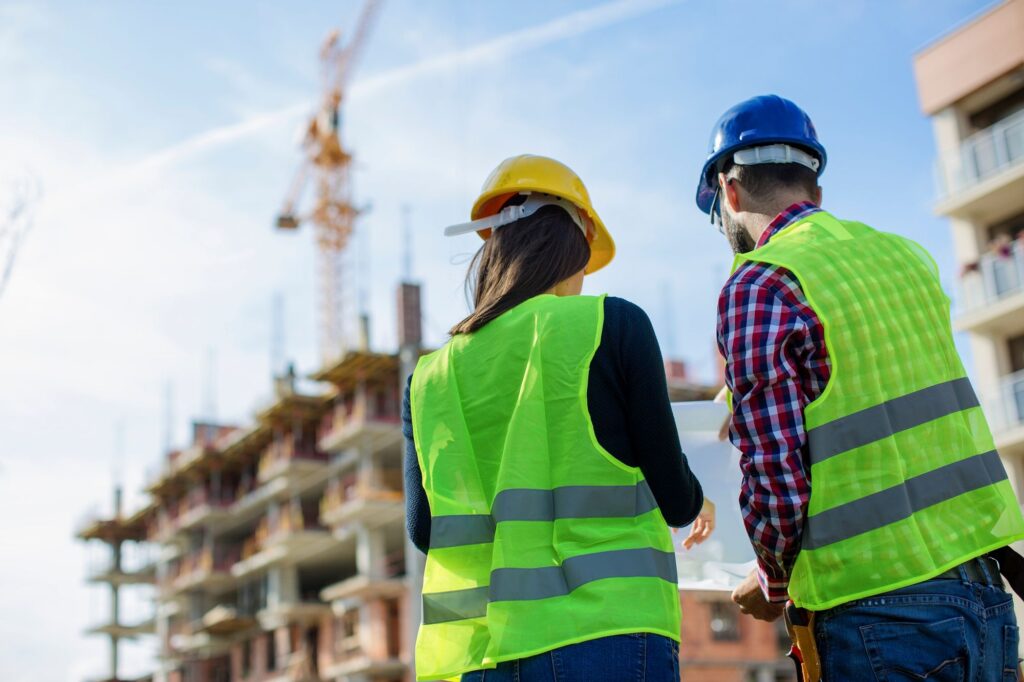
Due to its complexity, commercial construction calls for knowledge that goes much beyond simple design and construction techniques. Due to the high-value, high-risk, and time-sensitive nature of these projects, even a minor error or delay can have a major negative impact on operations and finances. Achieving success in this field requires managing sizable, interdisciplinary teams under pressure to meet deadlines while finding the ideal balance between cost effectiveness, sustainability, innovation, and regulatory compliance.

What Expertise Brings

  • Regulatory Compliance: Skilled commercial contractors are aware of the nuances of environmental requirements, safety rules, and zoning restrictions. Their knowledge guarantees that projects are completely compliant right away, preventing expensive legal issues and delays.
  • Effective Project Management: Architects, engineers, subcontractors, and government officials are just a few of the many parties involved in large-scale projects. Advanced project management solutions are used by knowledgeable professionals to manage these teams, improve communication, and maintain timelines and budgets.
  • Innovation Integration: As technology shapes the future of building construction, professionals introduce cutting-edge solutions such as sustainable materials, smart monitoring systems, and prefabricated components. By making buildings more flexible to meet changing needs, these not only lower long-term expenses but also increase their worth.
  • Future-Readiness: Companies want structures that can grow with them. In order to maintain longevity and relevance in a cutthroat market, commercial building experts create adaptable facilities with scalable layouts, intelligent infrastructure, and energy- efficient systems.

By leveraging specialized expertise, investors and developers can transform ambitious concepts into high-performing spaces that are safe, sustainable, and future-proof. This expertise is what turns commercial projects into long-term assets, benefiting both businesses and the communities they serve.

Final Thoughts

Building construction is the cornerstone of the world’s infrastructure, but commercial construction is shaping the sector’s future. It is changing how cities develop and how businesses function by setting the standard for sustainability, smart technologies, and large-scale innovation. Businesses that accept this change and collaborate with subject-matter specialists put themselves in a position to succeed, expand, and endure over the long run in a world that is becoming more and more competitive.


Conclusion

The construction industry is at the cusp of a technological revolution. Embracing these trends not only enhances efficiency and sustainability but also opens up new possibilities for innovation. Whether you’re planning a project or exploring career opportunities in construction, understanding these trends will keep you ahead of the curve.