

Although a sturdy structure is necessary for construction, success is really determined by the inside finishing. This step turns blank walls and frameworks into areas that are practical, cozy, and aesthetically pleasing. Interior finishing, which directly affects usability, client satisfaction, and overall property value, is the intersection of design and functionality within general contracting services.
It is the stage where accuracy, originality, and livability are all combined. High-quality finishing distinguishes a project in competitive marketplaces and showcases the builders’ craftsmanship. It also improves the property’s appearance and feel while guaranteeing long-term durability. In the end, interior finishing is what transforms construction into functional, meaningful areas.
Why Interior Finishing Defines the Success of General Contracting Services
The speed at which a building project is finished or the strength of its framework are not the only factors that influence its success. The finishing touches that residents, tenants, or clients will see on a daily basis are where true success is found. The contractor’s ability to combine design and utility is evident in the interior finishing, which includes polished floors, smooth walls, and well- placed fixtures and lighting systems. High-quality finishing sets ordinary contracting apart from premium general contracting services in competitive markets, eventually influencing client satisfaction and long-term property value.
What Interior Finishing Includes in Construction Projects
Interior finishing is a complete set of general contracting services rather than a single activity. Usually, it includes:
- Wall Treatments: textured finishes, painting, plastering, and wallpaper.
- Flooring options include vinyl, tile, marble, and engineered wood.
- Ceiling Work: Acoustic treatments, gypsum boards, or false ceilings.
- Joinery and carpentry: windows, doors, cabinets, and built-in shelving.
- Fixtures & Fittings: Lighting systems, handles, faucets, and hardware.
- Decorative Enhancements: Aesthetic detail work, moldings, and trims.
Every component ensures that the area is finished and used by fulfilling both functional and aesthetic purposes. When combined, these finishing touches produce a space that increases utility, comfort, and the property’s overall appeal.
Additionally, it’s critical to remember that interior finishing calls for cooperation between several trades, including designers, carpenters, electricians, and painters. The last stage may
result in delays or irregularities if it is not properly planned for and supervised. For this reason, expert general contracting services prioritize meticulous plans, premium supplies, and knowledgeable workers to produce faultless outcomes.
The Step-by-Step Process of Interior Finishing
Delivering high-quality interior finishing requires a structured approach. Within General Contracting Services, the process typically involves:
- Surface Preparation: To guarantee a seamless application of finishes, walls, ceilings, and floors are leveled, cleaned, and primed. This phase is essential for longevity and averting problems later on, such as cracks or uneven textures.
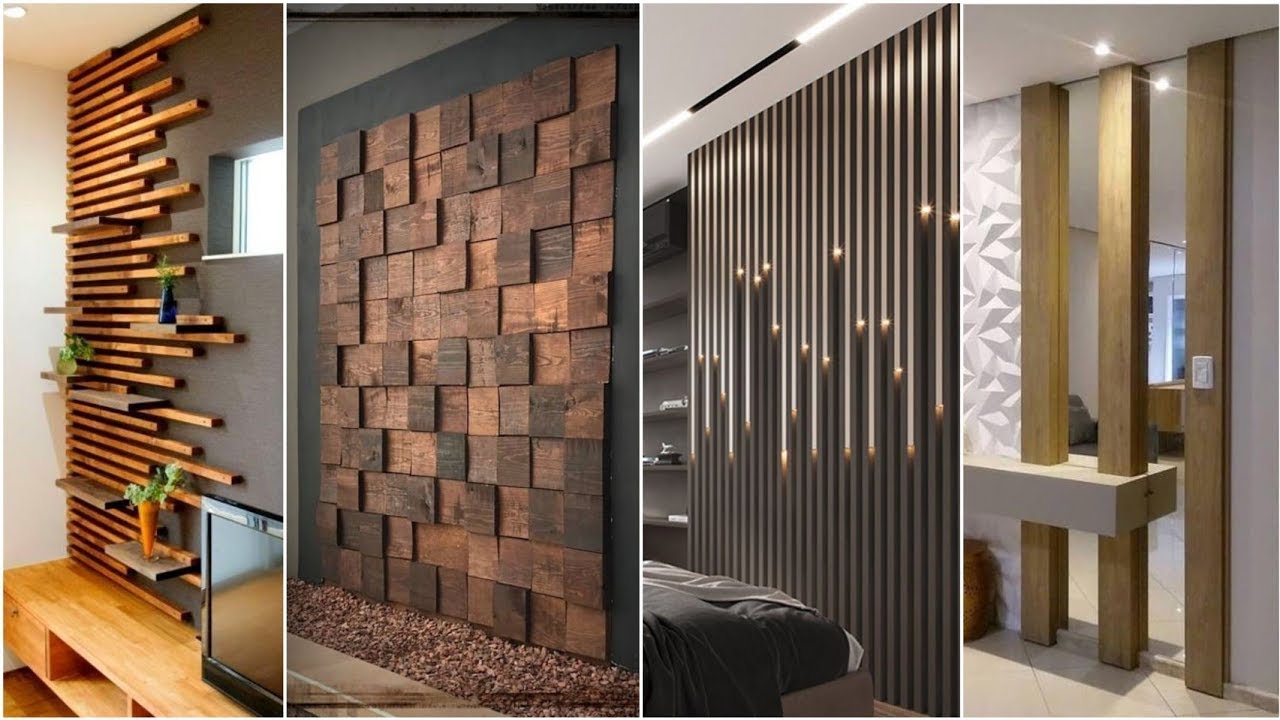
- Installation Work: Essential installations, such as ceilings, partitions, wooden panels, and flooring tiles, are completed. Accurate design, alignment, and structural stability are guaranteed by precision in this process.
- Detailing: Painting, plastering, wallpapering, and decorative finishes are used to improve the home. Here, the craftsmanship really shines through, producing the ideal visual appeal.
- Fixture & Fitting Location: Hardware, cabinetry, lighting, and bathroom fixtures are put in place. The area is both practical and fashionable thanks to careful consideration of alignment, safety, and design coordination.
- Final Inspection & Touch-Ups: Each component is examined for compliance with quality requirements. To ensure that the interior finishing satisfies client expectations and professional standards, any flaws are fixed.
This systematic process ensures consistency, efficiency, and the delivery of spaces that balance comfort, design, and durability.
Key Materials and Techniques Used in Interior Finishing
The materials and methods used have a significant impact on how well interior finishing works. Among the most popular are:
- Gypsum Boards for Ceilings: These are lightweight, fireproof, and adaptable to a variety of contemporary ceiling styles.
- Engineered wood flooring: long-lasting, environmentally friendly, and aesthetically pleasing with a natural sheen.
- Water-Resistant Paints: These paints are durable and moisture-resistant, particularly in bathrooms and kitchens.
- Smooth Plastering Techniques: These methods produce immaculate, smooth surfaces for wallpaper or paint.
- Installations of Energy-Efficient Lighting: LED and smart lighting options for sustainability and affordability.
- Sustainable Material Selection: To promote green construction trends, use locally produced stone, repurposed wood, or eco-friendly paints.
- Advanced Tools & Equipment: Modern application techniques increase speed and quality, while precision tools guarantee accuracy.
Combining high-quality materials with skilled procedures in professional general contracting services guarantees long-lasting outcomes that satisfy both practical requirements and contemporary design preferences.
How Quality Interior Finishing in Contracting Services Boosts Property Value
The value of a property is frequently determined by first impressions. Tenants and buyers evaluate comfort, luxury, and use in addition to structural soundness. In addition to improving appearance, superior interior finishing prepares a home for the market. High-end flooring, sophisticated ceilings, or immaculate paintwork are examples of features that enhance the impression of quality.
By improving resale and rental value through greater finishing standards, collaborating with experienced general contracting services guarantees higher returns on investment for both developers and homeowners. In the current real estate market, homes with superior finishing draw in more purchasers, fetch higher prices, and provide occupiers with long-term contentment.
Furthermore, high-quality finishing lessens the need for regular maintenance and improvements. In addition to saving the owner money, this improves the contractor’s reputation. A room that seems finished, cozy, and contemporary provides the home a competitive edge and demonstrates the contractor’s dedication to quality.